Compare High-End Studio Monitors by Room and Workflow
Considering Genelec, Neumann, Barefoot, ATC, PMC, PSI, ADAM Audio, Focal, HEDD, Dynaudio, Amphion, or Ex Machina? Compare the monitoring decisions that affect your work, then see where Fluid Professional Image Series fits.
- True 3-way architecture
- Dedicated midrange
- Sealed dual-opposed low end
- SoundID profile storage
Already know the Fluid models? Visit the Image Series monitoring overview.
Start with the monitoring decision, not the logo.
A premium monitor only makes sense when its design fits the room, listening distance, calibration method, and work you do every day. Use these six factors to narrow a shortlist before comparing individual models.
Decide whether the system will work as a compact nearfield, a larger nearfield, a midfield, or part of an immersive room.
Compare how each design divides low, mid, and high frequencies and where crossover decisions occur.
Listen for vocal level, instrument density, reverb depth, and the balance decisions that must translate elsewhere.
Compare extension, headroom, cabinet loading, transient control, and whether the room needs a subwoofer.
Consider room controls, profile storage, measurement workflow, and how repeatably the system returns to a known reference.
Account for connectivity, stereo or immersive expansion, support, availability, and total system cost.
What to compare when other professional monitors are on your list.
These are decision prompts rather than claims that unlike products are identical. Model, room, configuration, and workflow still determine the right choice.
Considering Neumann or Genelec?
- Room fitListening distance and required output
- CalibrationWorkflow, storage, and repeatability
- System designDriver topology and bass extension
- ExpansionStereo, subwoofer, and immersive paths
Considering Barefoot or Ex Machina?
- Cabinet scalePlacement and usable listening distance
- Low endLoading, headroom, and transient behavior
- MidrangeDedicated-driver presentation
- OwnershipPurchase path, support, and system cost
Considering ATC, PMC, or PSI?
- ArchitectureDriver roles and crossover approach
- PlacementBoundary interaction and room controls
- OutputHeadroom at the intended distance
- WorkflowCalibration and connection requirements
Considering ADAM, Focal, HEDD, Dynaudio, or Amphion?
- High frequenciesDriver behavior and fatigue over long sessions
- MidrangeClarity, density, and image placement
- ConfigurationActive system needs and signal path
- Room pathCalibration and low-frequency integration
Use the same material at the same level
When possible, audition shortlisted systems in the intended room with familiar sessions, matched playback level, comparable placement, and any calibration applied consistently. That reveals more than a specification or brand comparison alone.
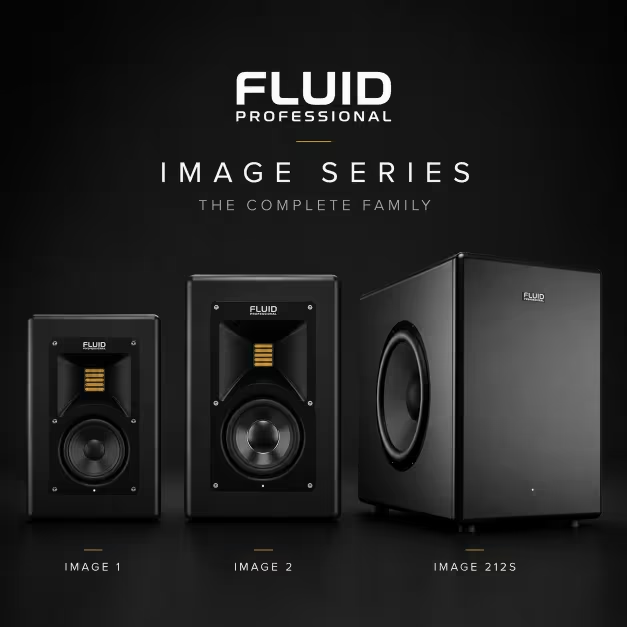
Three products, each with a clear role.
Image 1 and Image 2 use the same core monitoring philosophy at different scales. The 212S extends either system when deeper low-frequency reach and headroom are required.
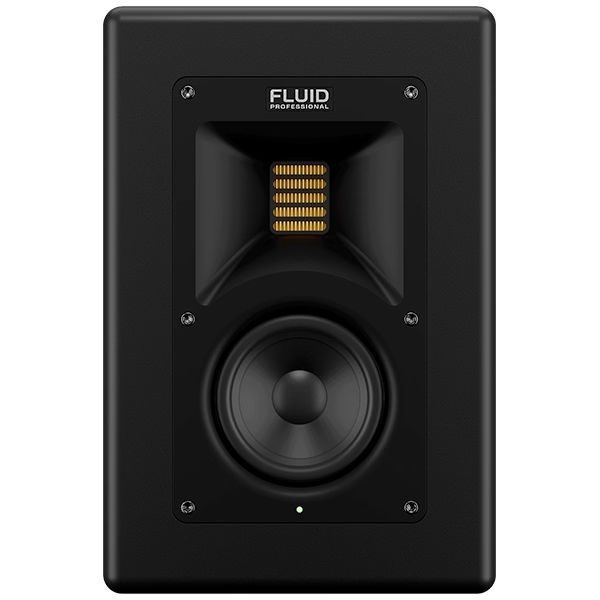
Compact 3-way reference monitor
Image 1
For compact and mid-sized critical rooms where nearfield accuracy, controlled bass, and repeatable calibration matter.
- Dual 6.5-inch woofers, 4-inch midrange, and AMT tweeter
- 475 watts of amplification per monitor
- SoundID Reference profile storage and onboard DSP
- Compact nearfield and scalable immersive applications
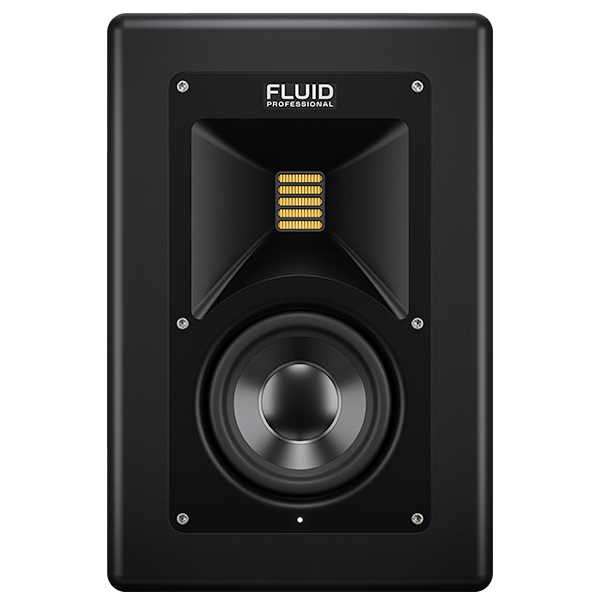
Larger-format 3-way reference monitor
Image 2
For larger control rooms, longer listening distances, mastering work, and engineers who need more output and low-frequency authority.
- Dual 8-inch woofers, 5-inch midrange, and AMT tweeter
- 675 watts of amplification per monitor
- SoundID Reference profile storage and onboard DSP
- Larger nearfield, midfield, and immersive applications
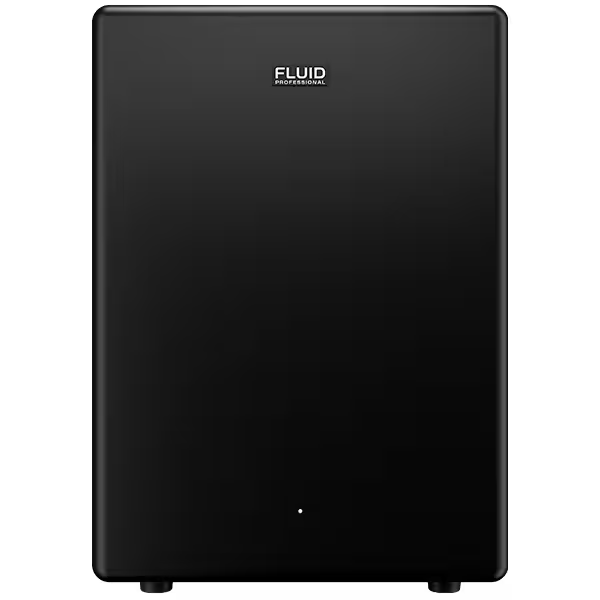
Low-frequency extension for Image Series
212S
For stereo, mastering, Dolby Atmos, and immersive systems that require deeper extension and more controlled low-frequency headroom.
- Dual opposed 12-inch active drivers
- Sealed enclosure with 1000 watts RMS
- Designed as the low-frequency foundation for Image Series
- Use when full-range low-frequency confidence is essential
Prices shown are current direct US prices. Product pages show live availability and checkout options. International pricing and availability vary by dealer.
Image 1 or Image 2?
The core decision is the scale of the room and monitoring task. Add 212S when low-frequency extension becomes the limiting factor.
Choose Image 1 when…
- RoomCompact to mid-sized critical space
- Listening roleNearfield or compact immersive
- Low-frequency driversDual 6.5-inch
- Amplifier power475 watts per monitor
- Low-frequency reference-3 dB at 45 Hz
- Maximum SPL108 dB single monitor
Choose Image 2 when…
- RoomLarger control or mastering space
- Listening roleLarger nearfield, midfield, or immersive
- Low-frequency driversDual 8-inch
- Amplifier power675 watts per monitor
- Low-frequency reference-3 dB at 38.1 Hz
- Maximum SPL112 dB single monitor
Add 212S when the main pair is no longer the whole answer.
Use 212S when the room and work require deeper extension, greater low-frequency headroom, or a dedicated bass-management path for stereo, mastering, Dolby Atmos, or immersive monitoring.
A monitoring system built around repeatable mix decisions.
Image Series combines specific acoustic and workflow choices designed to make critical balances easier to judge and reproduce.
Dedicated low-, mid-, and high-frequency drivers divide the work across purpose-built operating ranges.
Supports decisions involving vocal level, instrument density, reverb depth, and image placement.
Uses mechanically opposed woofers and a sealed cabinet to support controlled low-frequency behavior.
Store up to four SoundID Reference calibration profiles for repeatable room, position, or workflow setups.
Common comparison questions.
Is Image Series a direct replacement for every competitor model?
No single monitor is a universal substitute for another. Compare the specific models, intended room, listening distance, output requirement, bass extension, calibration workflow, connectivity, and complete system cost.
Should I choose Image 1 or Image 2?
Choose Image 1 for compact nearfield use and scalable multi-speaker rooms. Choose Image 2 when a larger room, longer listening distance, or higher output requirement calls for a larger monitoring system.
When should I add the 212S?
Add 212S when deeper low-frequency extension, additional bass headroom, or an immersive bass-management path is required. The room and monitoring task should determine that decision.
How does room calibration fit the comparison?
Calibration cannot replace suitable placement or acoustic treatment, but it can help create a repeatable monitoring reference. Image 1 and Image 2 can store up to four SoundID Reference profiles in the monitoring system.
Can I buy direct or through a dealer?
Direct purchase is available in the United States. Customers outside the US, or anyone who prefers local support, can use the authorized dealer network.
Compare the shortlist. Then choose the system that fits your room.
Explore Image 1 for compact 3-way reference monitoring, Image 2 for greater scale and output, or 212S for deeper low-frequency extension.