John
Kurlander
Selected work connects landmark recordings, global artists, and major films.
Landmark music
and cinematic
productions.
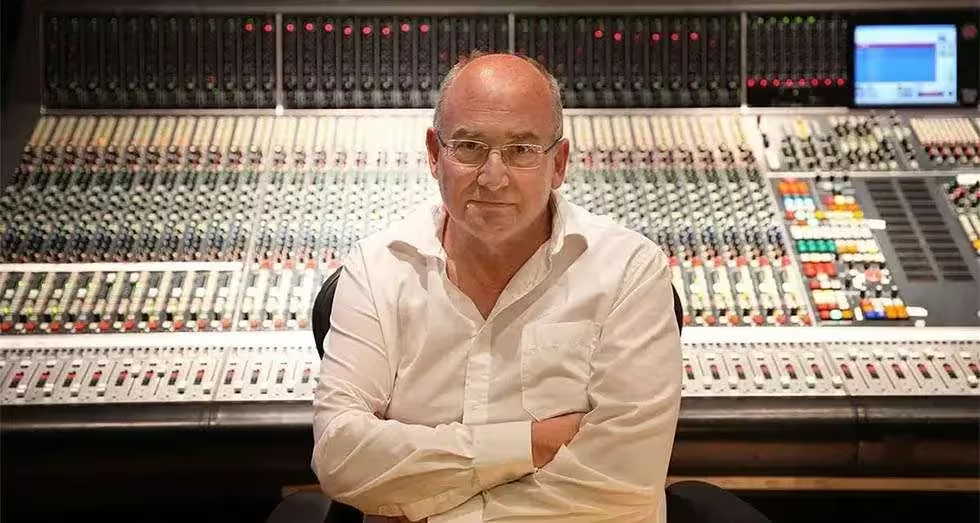
John Kurlander began at Abbey Road Studios as a teenager and assisted on The Beatles' Abbey Road album before becoming a first engineer. His career expanded through orchestral recording, classical music, musical theatre, film scoring, and game audio. His engineering and mixing work on The Lord of the Rings trilogy received three consecutive Grammy Awards for Best Score Soundtrack Album and three consecutive TEC Awards for film sound production.
His wider credits span major artists, large orchestral sessions, film scores, soundtrack production, and recording environments where balance and detail have to remain reliable.
Work associated
with John Kurlander.
Selected work connects landmark recordings, global artists, and major films.
What this body of
work demands from
a reference system.
Music and picture projects at this scale depend on reliable tonal balance, depth, dialogue and vocal clarity, and low frequency decisions that remain consistent across rooms and playback formats.
Translation
Balance decisions need to remain dependable beyond the control room.
Imaging
Placement, depth, and width need to remain stable throughout the session.
Low frequency control
Weight and extension need to stay articulate rather than becoming vague.
Long session clarity
A useful reference avoids problems that undermine trust over long sessions.
About John
Kurlander and the
work.
Concise answers covering background, selected credits, production focus, and monitoring requirements.
Who is John Kurlander?
John Kurlander is a recording engineer and mixer whose career began at Abbey Road Studios. His work spans landmark music recordings, orchestral sessions, film scoring, game audio, and major soundtrack productions.
What work is associated with John Kurlander?
Selected credits include The Beatles, Celine Dion, Michael Jackson, Babyface, The Lord of the Rings trilogy, and The Aviator.
What is the main production focus?
Kurlander's work spans recording, orchestral production, soundtrack work, film scoring, and major artist projects.
What does this work require from a monitoring system?
Projects at this scale depend on repeatable tonal balance, stable imaging, controlled low frequency behavior, and clarity that remains useful throughout long sessions.
Choose the scale
required by the
room.
Image 1, Image 2, and 212S form one Fluid Professional monitoring family for stereo and immersive workflows.
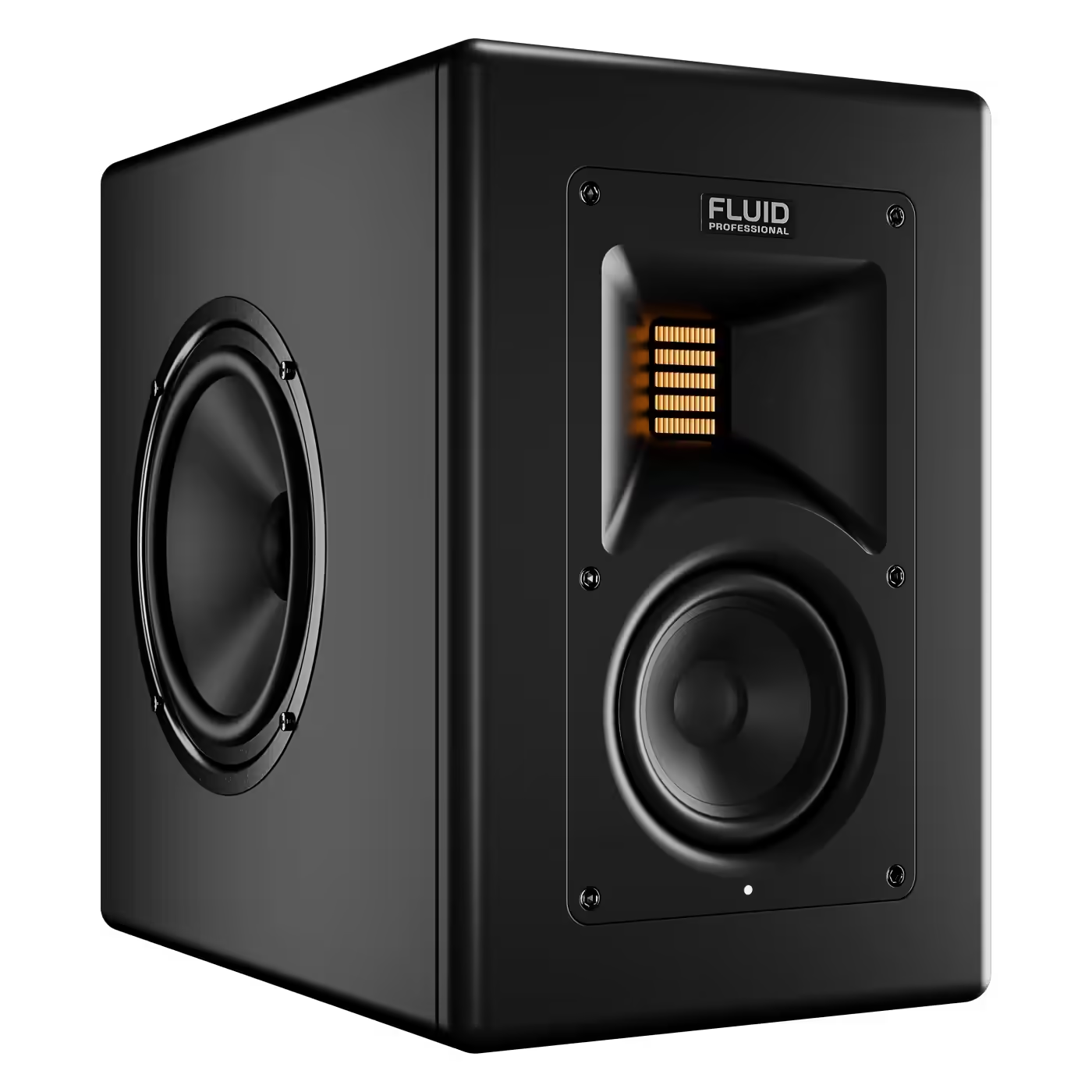
Image 1
Compact reference monitoring and scalable immersive systems.
View Image 1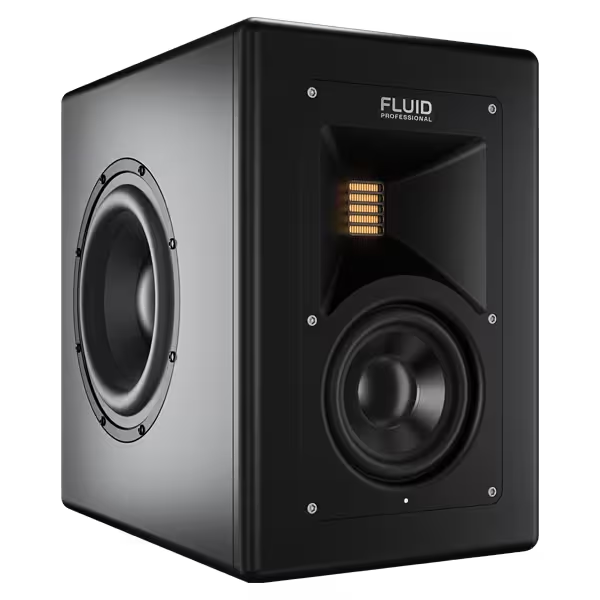
Image 2
Higher output and deeper authority for critical professional rooms.
View Image 2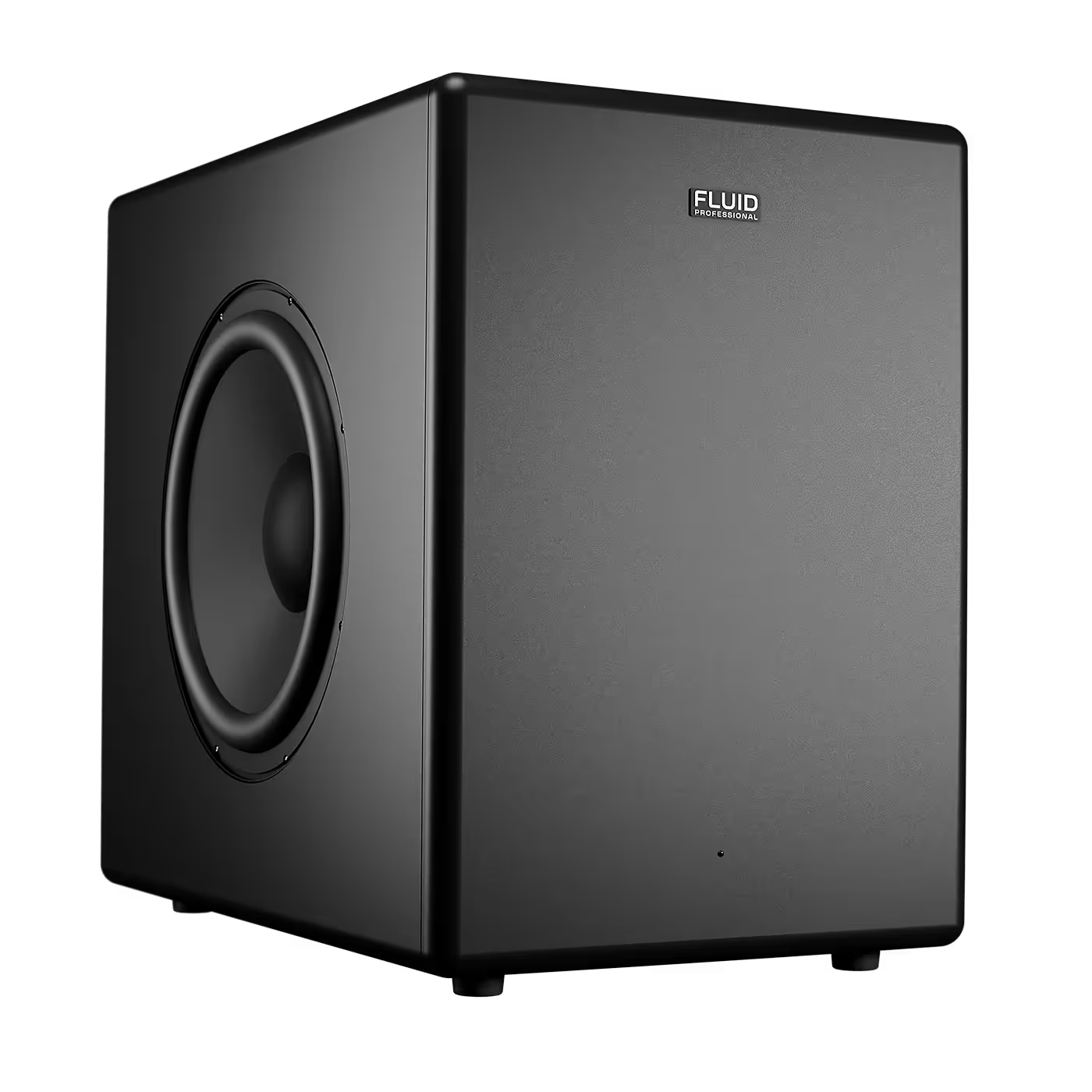
212S
Controlled low frequency extension for stereo and immersive systems.
View 212S